

Healthcare doesn’t break down during the visit. It breaks down everywhere else.
Patients leave with a plan, but no support to follow it. Care teams are stretched too thin to monitor what happens next. And while many remote care programs promise to address these problems, equally many fail to deliver on that promise.
The problem? Most remote care programs add more technology without actually reducing the workload behind it.
That’s why so many programs stall. Not because the model or technology is wrong, but because the execution is. Remote care programs fail without real operational ownership.
What It Actually Takes to Extend Care Beyond the Visit
If remote care lives outside your workflows, it doesn’t scale. If it lives outside your EHR, it doesn’t become part of care. And if no one owns it day-to-day, it doesn’t last.
The remote care programs that succeed don’t just enable care–they own and execute it using a reliable model. At CoachCare, we have built that model around three core pillars:
- Clinical support that actively engages patients between visits.
- Technology that integrates directly into existing workflows and EHRs–not alongside them.
- Operational infrastructure that ensures the program actually runs without adding burden to your team.
This is what it really takes to extend your practice beyond the visit. It’s also why most approaches fall short.
Some programs offer pieces of this model. Few combine all three in a way that feels fully embedded into your practice.
1. Clinical Support That Actually Drives Follow-Through
Today, the main question about remote care is whether it’s actually doing what it’s supposed to: engage patients and gather insights.
When remote care programs fall short, real-time data is not the problem. In fact, most practices already have more data than they can realistically act on.
Physicians don’t have time to follow up with every patient, reinforce treatment plans, or monitor adherence day to day. And without that layer of accountability, even the best care plans can fall apart.
What changes outcomes is having a team responsible for that execution.
CoachCare’s dedicated care management team–made up of US-based W-2 employees, not outsourced support–takes on that responsibility and acts as an extension of your staff.
With an industry-leading 165:1 patient-to-care manager ratio, our teams create consistent touchpoints with patients without adding more staff to your organization. That shows up in a few critical ways:
- Reinforcing treatment plans so that patients understand what to do–then actually do it.
- Monitoring adherence to treatment plans and identifying when patients begin to drift off track.
- Engaging patients regularly, even when nothing is “wrong,” to maintain accountability.
- Escalating issues when needed so that your team can step in at the right moment.
The result is more than just engagement; it’s more effective visits–because physicians walk in with context, not guesswork.
2. Technology That Lives Inside Workflows
Technology should make care delivery easier. Too often, it does the opposite.
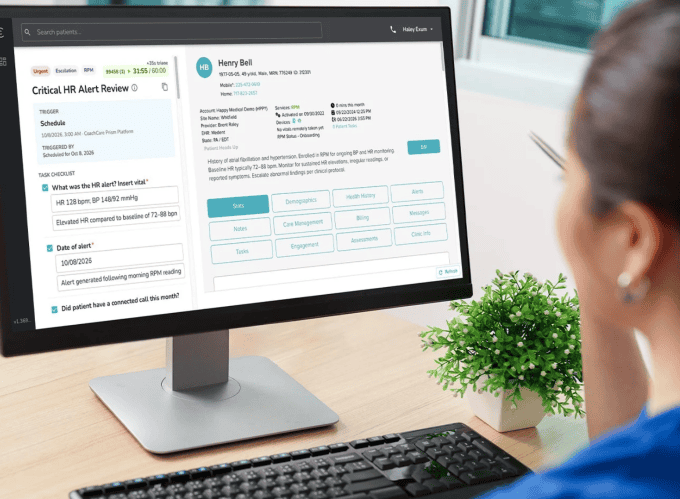
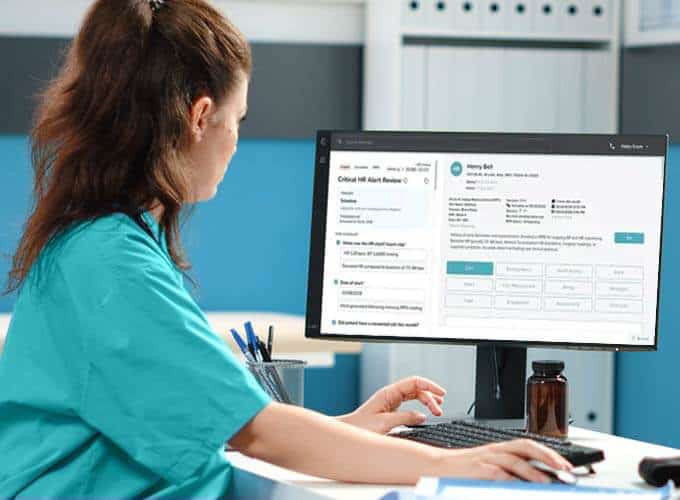
When remote care programs live outside the EHR, they become another system to manage, another login to memorize, another administrative burden to shoulder.
This is where adoption breaks down. For remote care to actually work, it has to be embedded into your workflows and live inside the EHR, not layered on top of it.
In practice, that means:
- Patient data flows directly into the medical record in real time
- Care notes, outreach, and escalations are documented where your team already works
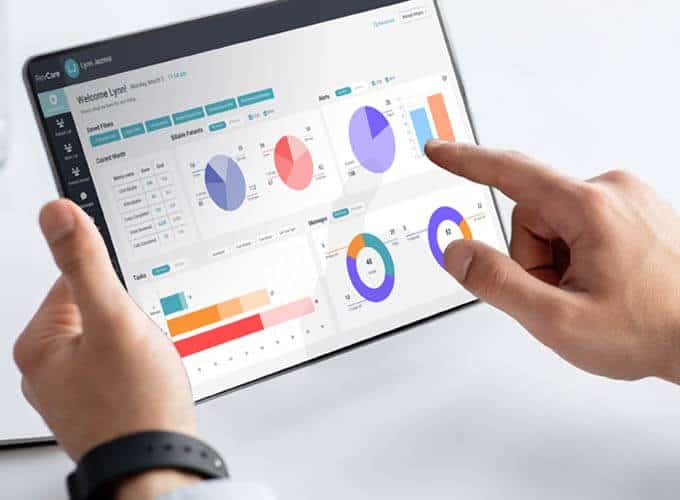
- Enrollment and program activity are visible without switching systems
When done right, remote care doesn’t feel like a separate program. It becomes part of the patient record itself. It can also address a major barrier to scale: staffing.
By embedding these workflows and handling the operational lift behind them, practices can expand their reach without hiring additional staff or increasing administrative strain.
In CoachCare’s model, technology isn’t a centerpiece. Instead, it’s the foundation that makes everything else possible.
3. Operational Ownership That Makes Programs Work
Efficiency doesn’t come from adding tools. It comes from removing work. No matter how incredible the remote care program is, someone still has to:
- Identify and enroll the right patients
- Handle onboarding and device logistics
- Ensure patients stay engaged
- Track activity for billing, claims, and audit purposes
- Respond quickly and confidently when something goes wrong
If that responsibility falls back on your internal team, the program competes with everything else on their plate. And, over time, it loses.
The programs that scale remove that burden entirely. Instead of asking your team to run the program, CoachCare brings in operational support that handles it for you, including:
- Patient identification and pre-qualification checks
- Enrollment and onboarding
- Ongoing patient engagement and follow-up
- Documentation and audit readiness
- Coordination with your team when escalation is needed
The best part? That operational support is embedded directly into daily workflows, meaning remote care programs become part of your routine, not a separate entity to keep tabs on.
Because operational support is tightly aligned with physician workflows and staff processes, remote care becomes part of the daily routine rather than a disconnected program running in parallel.
The outcome is simple: your team doesn’t manage the remote care program. The program runs for you. And that’s what allows you to increase patient capacity without adding staff.
Ownership Is the Difference Between Adoption and Impact
Most remote care programs stop at technology. The ones that scale take ownership of the work behind it.
They don’t just surface data–they act on it. And they remove work or handle it for your team, not pile it onto your staff’s plate. That’s what it really means to extend your practice beyond the visit.
What Comes Next?
Join us as we navigate what it really means to serve as an extension of your practice in our ongoing blog series, where we’ll break down how CoachCare’s:
- How care teams create consistent patient engagement without adding staff.
- How technology integrates directly into your EHR and workflows.
- How operational ownership removes administrative burden and drives scale.
Because extending care isn’t about doing more, it’s about having the right pieces and the right ownership in place to make it work.